Insurance PLATFORM
Helvengo digital insurance platform
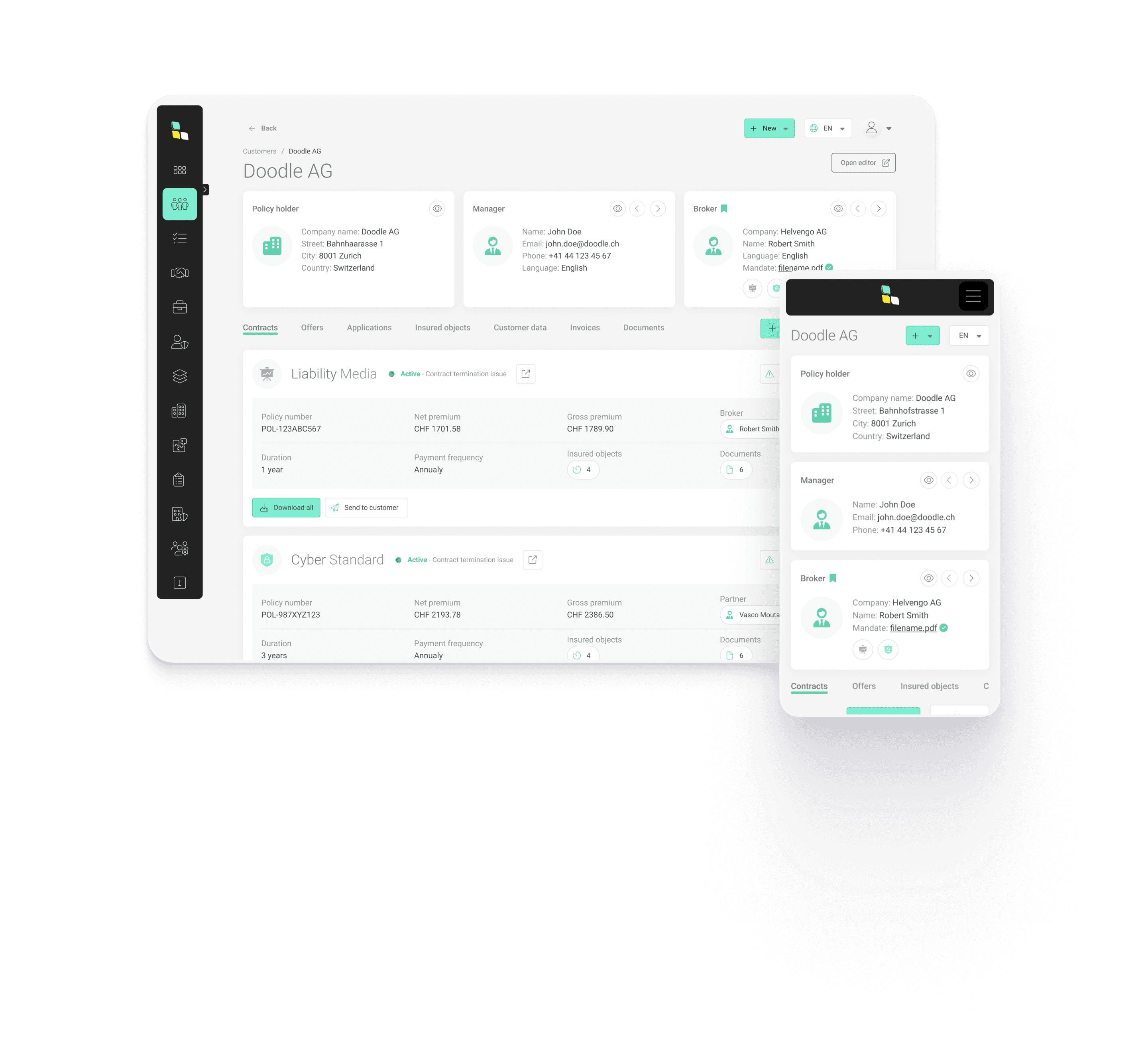
I led the end-to-end product design for Helvengo’s core distribution platform, transforming a traditionally analog, paper-heavy brokerage process into a digital workflow where brokers quote and bind in minutes rather than days. By bridging the gap between complex risk assessment and intuitive UI, we enabled brokers to quote and bind policies in minutes rather than days.
0 to 1 Platform Launch
Scaled from MVP to 4 product lines and 3 white-label clients in 9 months.
A fresh start
Applied the new rebranding to the new platform.
New features
With the lessons learned from the MVP, old features needed a redesign and new features needed to be defined and designed.
New design system
A design system with white label capability. 120+ components, ~85% platform coverage, 40% faster handoff.
Empowering SMEs through digital-first insurance. Helvengo simplifies complex risk management with a seamless, transparent brokerage platform. Our focus is on removing friction from the insurance process, delivering highly specific products through a clear and intuitive user journey.
Context
As a Lead Designer, I led the end-to-end integration of Helvengo’s new brand identity while designing a scalable Design System. My focus was on creating a flexible, multi-tenant framework to support the platform’s transition into a high-performance White Label solution.
Problem
Small business insurance is notoriously opaque — the legacy brokerage flow required 40+ manual fields, 3+ days of carrier back-and-forth, and premium structures most SME owners couldn't evaluate on their own.
Challenge
Every insurance product carries 30+ underwriting variables, and each white-label tenant needs its own product catalog, branding, and pricing rules. The challenge was designing a single interface that felt simple to a first-time broker but powerful enough for senior ones — without forking the UI per tenant.
Way of work 💡
The approach I used for this project
Discovery - FigJam
Transformed abstract ideas into structured project requirements.
UX Design - Figma
Translated complex requirements into validated user flows and low-fidelity structures.
Prototyping - Figma
Built prototypes to quickly gather more feedback about products.
Design Systems - Figma
Modular component libraries and token systems that ensure consistency and scalability.
Collaboration - Slack
My favourite tool to communicate effectively with the team.
Project management - Jira
For product management planning sprints and tasks.
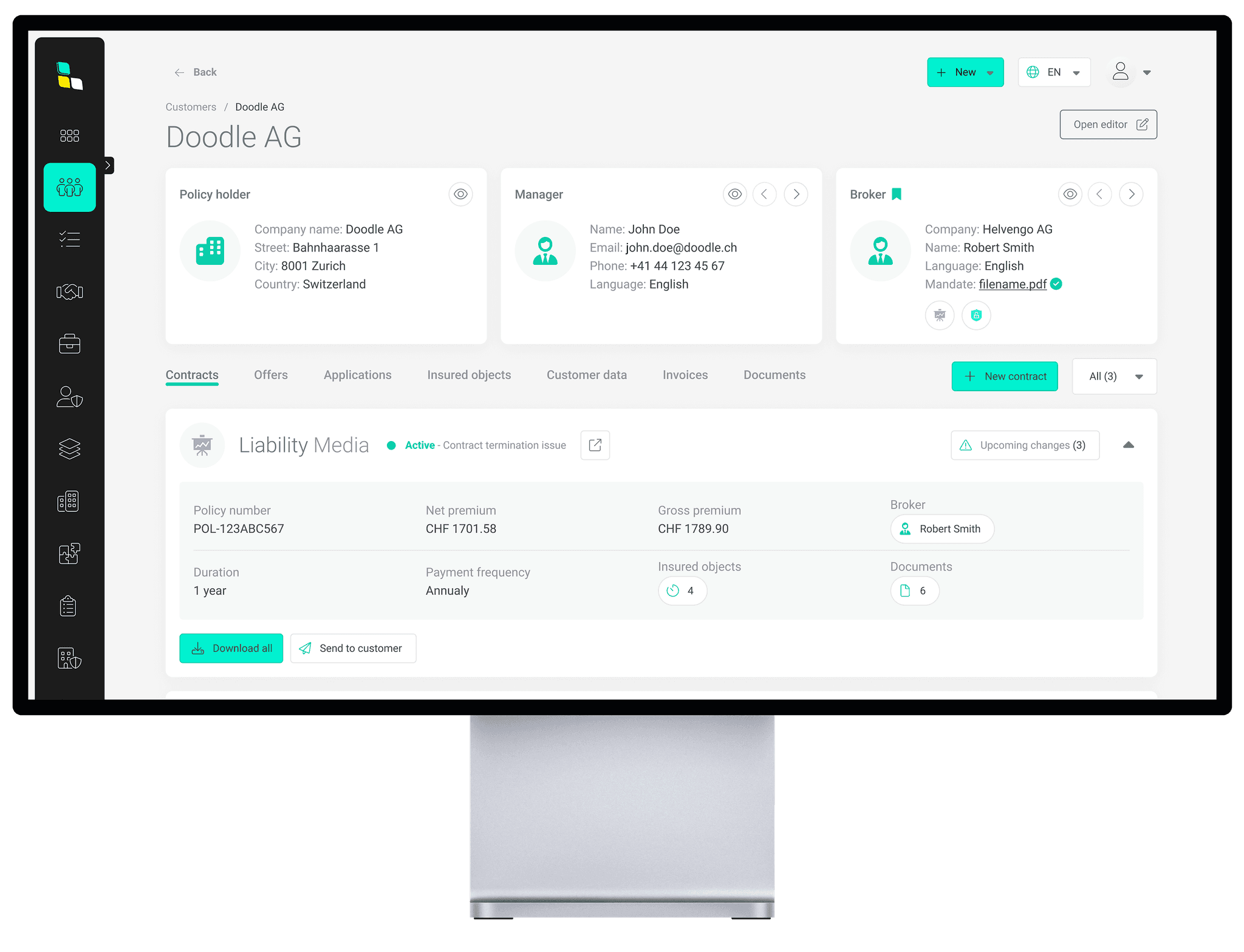
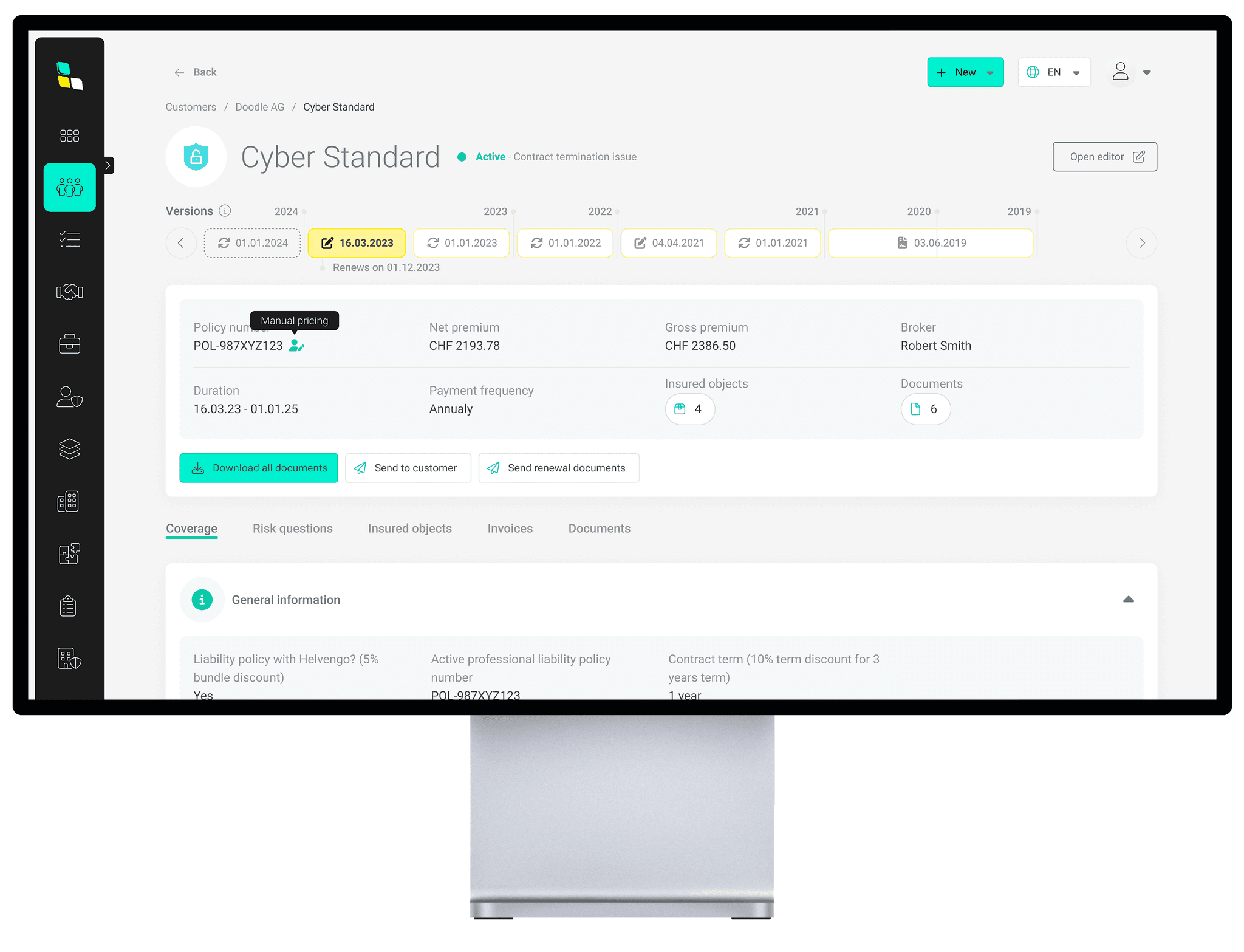
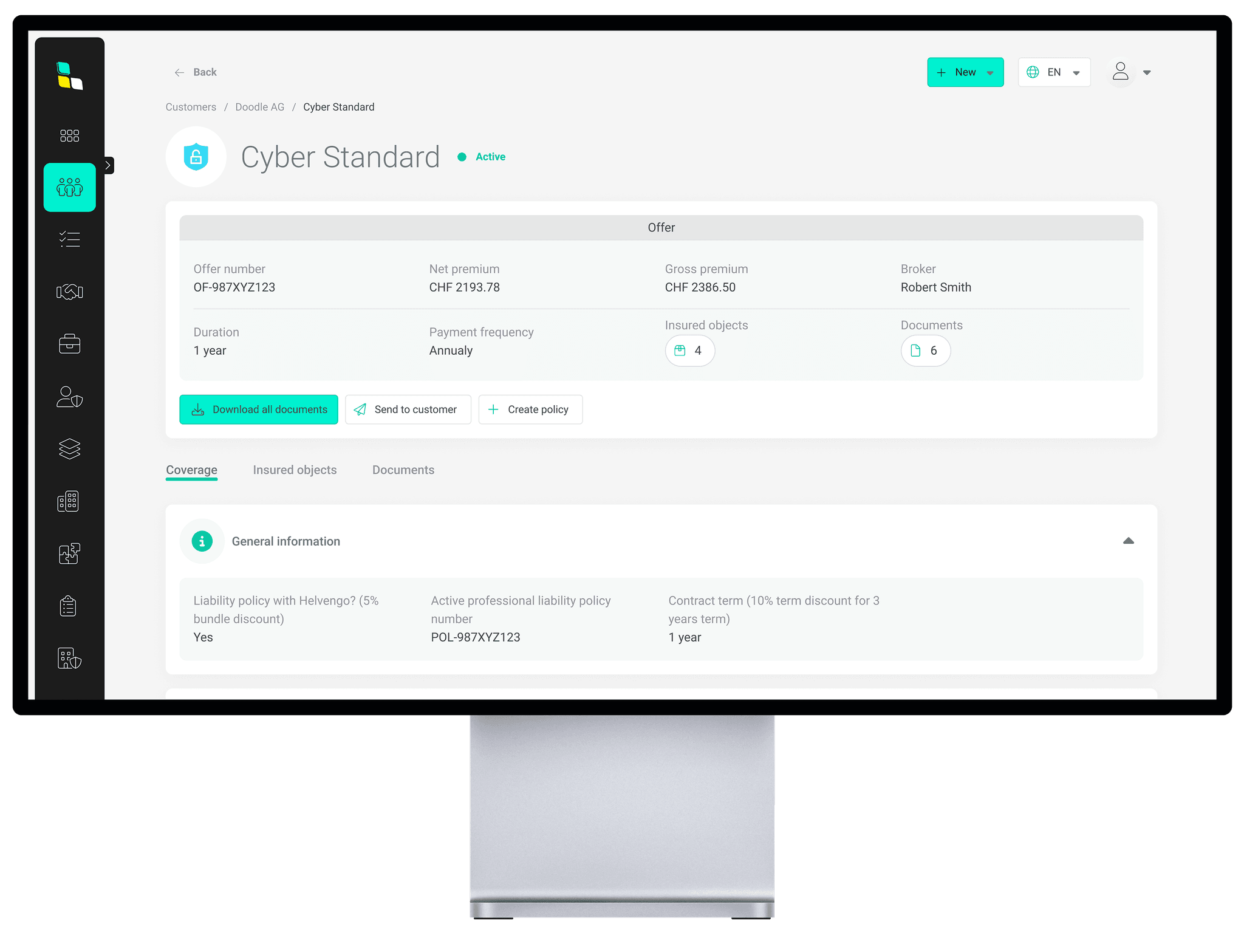
The solution featured a centralized platform where brokers could create and manage entire portfolios, compare dynamic quotes side-by-side, and issue policies instantly via automated API generation. Quote-to-bind time reduced from 3 days to under 8 minutes. Brokers now issue policies in a single session, removing the primary bottleneck in Helvengo's distribution model.
Tailor-made insurance products
Specifically designed for entrepreneurs, startups, and SMEs, providing bespoke insurance solutions that adapt to their unique business needs.
Contract timeline
A powerful, intuitive timeline view that allows users to track every detail, update, and contractual change chronologically at a glance.
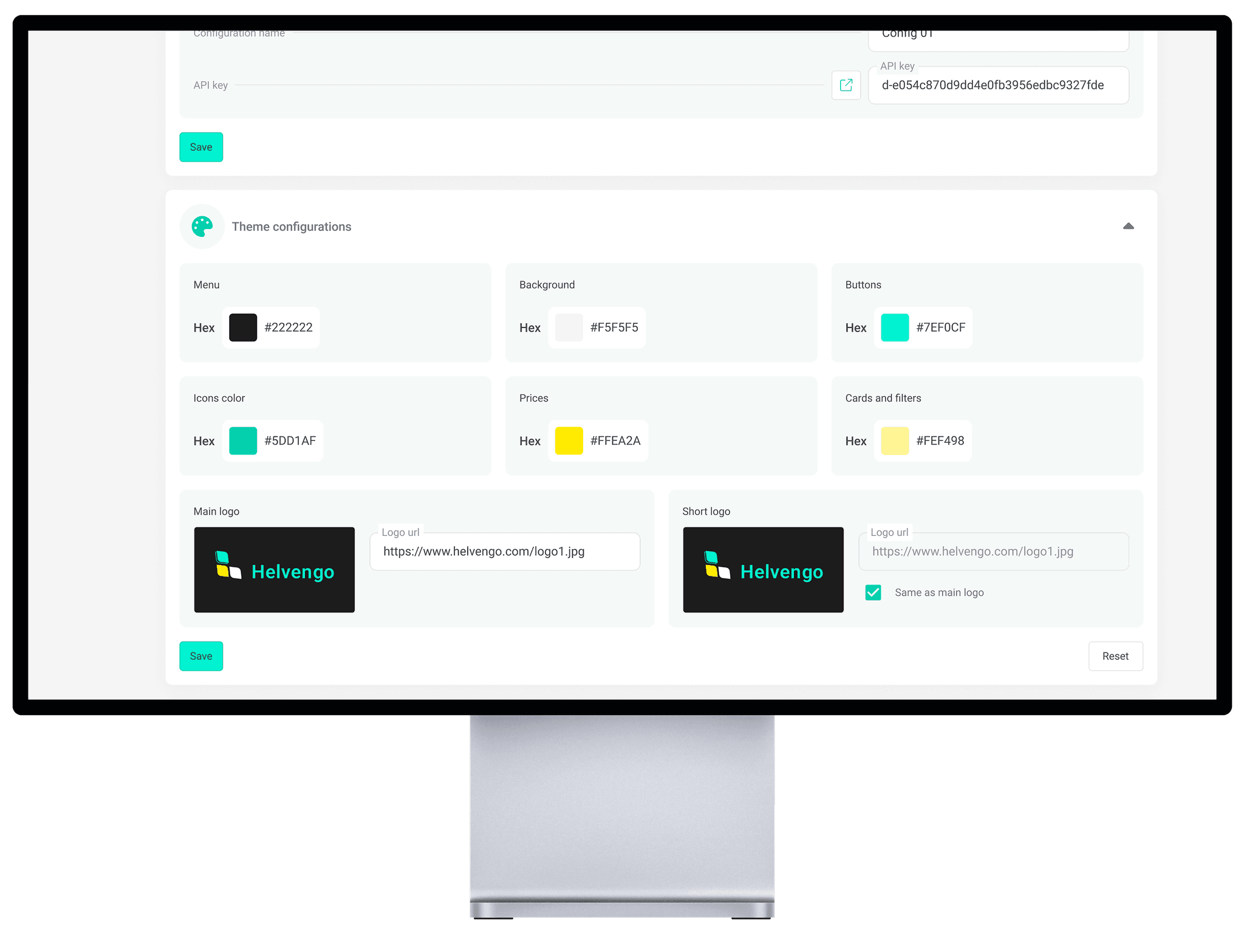
White labelling capabilities
Clients can go beyond creating custom products—they can fully re-skin the platform's theme to match their own brand guidelines through our flexible design architecture.
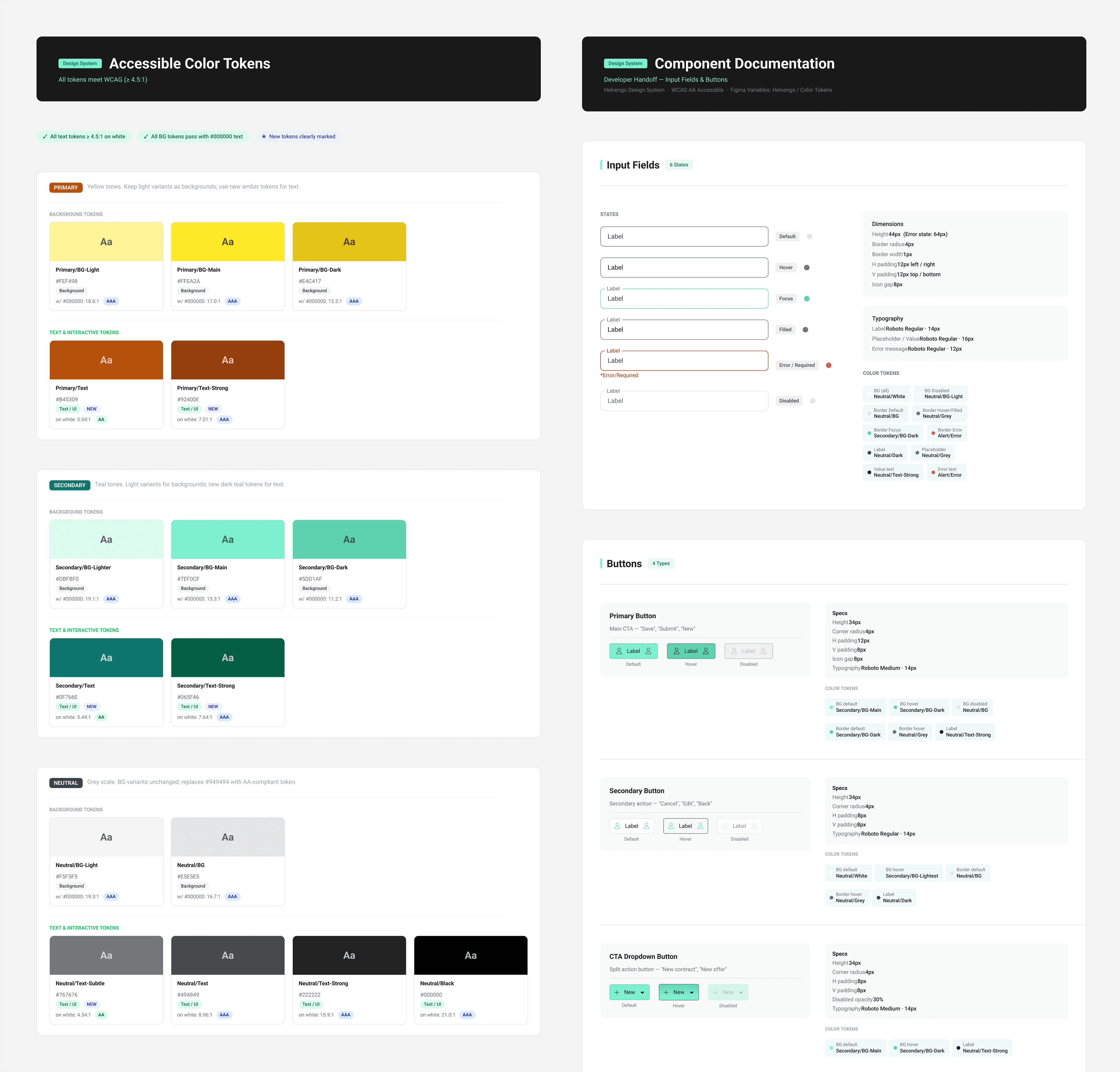
A white-label-ready design system
Built a library of 120+ components that covers around 85% of the platform, making handoff to engineering roughly 40% faster. All colors meet WCAG AA contrast, checked automatically before each handoff.
The Helvengo project was a challenge in handling "Complex Logic" within a regulated industry. It proved that even the most "boring" or complicated industries can be made intuitive through strategic product design.
Designing for Trust
In Insurtech, transparency is a design feature. Clear feedback loops and plain-language labels are more important than aesthetic flourishes.
Turn complex to logic
I learned to translate dense underwriting rules and regulatory requirements into clear, deterministic user flows. By mapping out the underlying 'If/Then' logic before touching the canvas, I ensured that even the most complex risk assessment felt effortless and predictable for the end user.
Scale capabilities
Building for a startup means designing for who they are today and who they will be in three years. I focused on creating a 'Design Infrastructure' rather than just a UI Kit. By implementing modular UI schemas and semantic tokens, I enabled the platform to scale from a single insurance line to a multi-product ecosystem.